Amboseli Versus Tsavo Safari: What Are the 7 Key Differences?
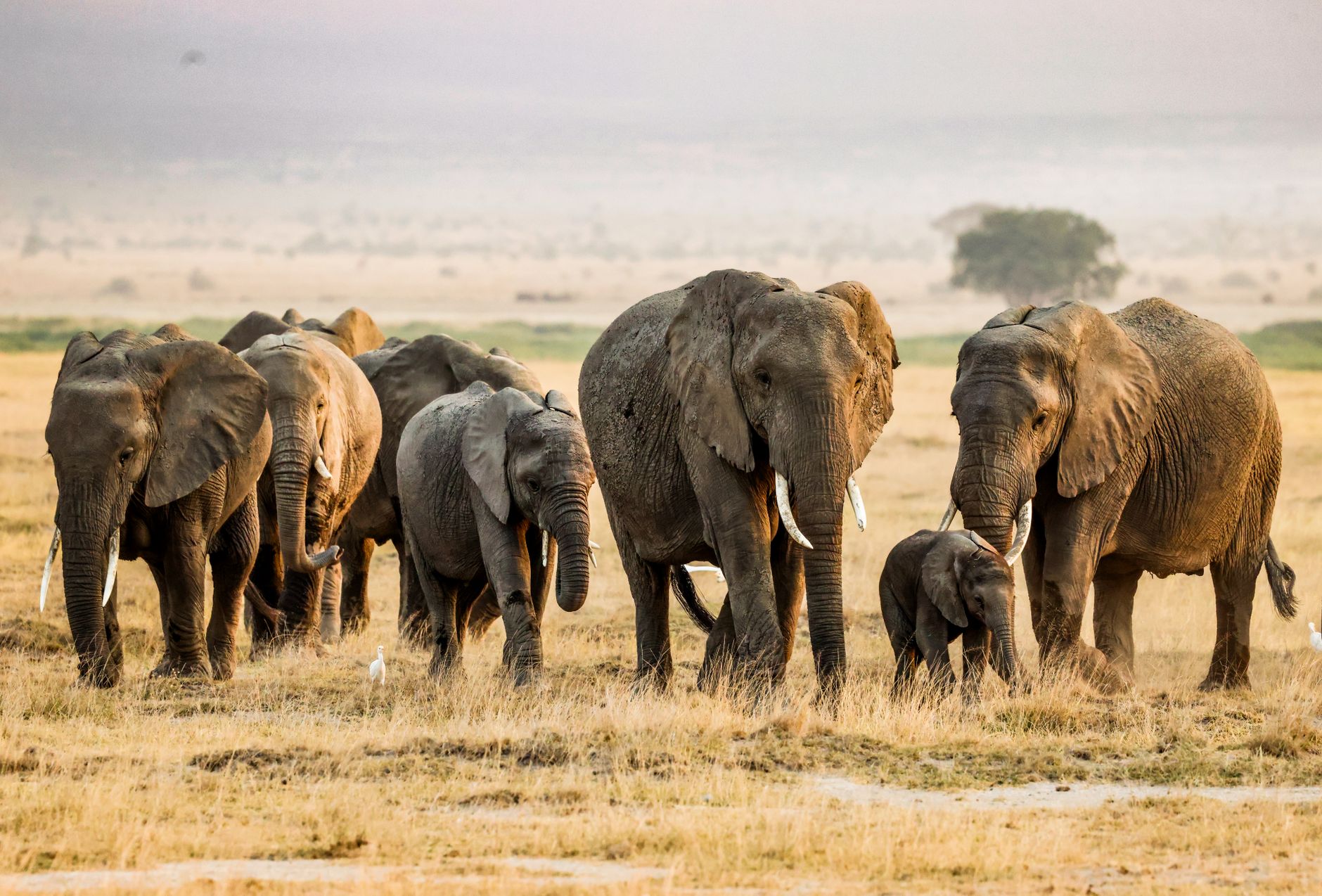
An amboseli versus tsavo safari comparison usually comes down to space versus certainty. Amboseli is small, crowded with elephants, and framed by Kilimanjaro. Tsavo is vast, quieter, and home to elephants stained rust red by the soil they wallow in. Both are excellent choices. They just reward different kinds of travelers, and the details below explain why.
What Should You Expect in Amboseli National Park?
Amboseli is a compact 392 sq km park in southern Kenya famous for close up sightings of large, habituated elephant herds against Mount Kilimanjaro’s backdrop. Its open plains and swamps concentrate wildlife near water, making 2 to 3 nights enough to see elephants, lions, cheetahs, and buffalo without long game drives.
The park’s swamps stay green even in dry months, so animals rarely stray far. That predictability is Amboseli’s biggest selling point. If you want reliable Amboseli elephants in front of a mountain on your first or second morning, this is the park. For a fuller breakdown of the terrain and gates, see our Amboseli safari guide.
What Should You Expect in Tsavo East and West?
Tsavo is Kenya’s largest protected area at over 20,000 sq km, split into Tsavo East’s open plains and Tsavo West’s volcanic hills and springs. Its red, laterite stained elephants, rhino sanctuaries, and Mzima Springs reward travelers who spend 3 to 5 nights covering more ground for a wilder, less crowded safari.
Tsavo East is largely flat and open, good for long sightlines. Tsavo West has more relief, with lava flows, springs, and denser cover. Together they cover ground that dwarfs Amboseli, which is exactly why sightings there take patience. Our Tsavo safari guide breaks down which side to prioritize on a shorter trip.
How Do Amboseli and Tsavo Elephants Differ?
Amboseli’s elephants are famously habituated after decades of research by the Amboseli Trust for Elephants, so herds tolerate close vehicle approach. The park has one of the highest elephant densities of any Kenyan park, which is part of why sightings feel so reliable. Tsavo’s elephants wallow in iron rich red soil, staining their hides rust colored, and roam more widely across denser bush, making sightings less predictable but visually distinct.
This is a behavioral difference, not just a color difference. Amboseli’s research herds have been tracked by name for generations, so guides often know individual matriarchs and family lines. Tsavo’s red elephants are the same species doing something purely environmental, dust bathing to cool off and repel insects, and the effect photographs beautifully in low light. Whichever park you pick, review wildlife sighting etiquette before your drive, since both elephant populations are sensitive to vehicle noise and crowding.
When Is the Best Time to Visit Amboseli vs Tsavo?
The June to October dry season suits both parks, concentrating wildlife at waterholes and swamps. Amboseli also delivers clear Kilimanjaro views from January to March before rains build clouds. Tsavo’s dense bush during the November to December short rains makes game viewing harder, so dry months matter more there than in Amboseli.
| Season | Approximate months | Amboseli | Tsavo |
|---|---|---|---|
| Long dry season | June to October | Wildlife concentrates at swamps; peak crowds | Easier viewing at rivers and waterholes |
| Clear skies | January to March | Best Kilimanjaro safari views, less rain | Hot and dry, still good for game drives |
| Short rains | November to December | Green landscape, fewer visitors | Dense bush slows down sightings |
| Long rains | March to May | Muddy tracks, lush scenery, low season | Thickest vegetation, hardest month to spot game |
If your priority is the best time to visit Amboseli specifically for photography, aim for the start of the year rather than midyear.
Is Tsavo Cheaper Than Amboseli?
Amboseli charges around $90 per adult per day for non-residents. Tsavo East and Tsavo West each charge around $80 per adult per day, based on current KWS rates. That gap is smaller than many travelers assume. Amboseli’s shorter recommended stay can still bring total park fees close to Tsavo’s. Tsavo’s longer 3 to 5 night stays add more days of entrance fees, even at the slightly lower daily rate.
| Feature | Amboseli | Tsavo (East and West) |
|---|---|---|
| Park size | about 392 sq km | over 20,000 sq km combined |
| Non resident adult fee (indicative, per day) | around $90 | around $80 |
| Elephant visibility | among the highest elephant density of any Kenyan park, herds seen up close | larger overall range, animals spread across a wider area |
| Recommended stay | 2 to 3 nights | 3 to 5 nights |
| Signature feature | Kilimanjaro backdrop, habituated herds | red elephants, Mzima Springs, rhino sanctuary |
For the full picture on why these figures shift by season and operator, read how conservation fees are broken down and why safari prices can shift. Our general Kenya safari cost guide covers accommodation and transport on top of park fees.
How Do You Choose an Amboseli Versus Tsavo Safari for Your Trip?
First time visitors, families with young children, and photographers chasing guaranteed elephant and Kilimanjaro shots do best in Amboseli’s compact, short drive layout. Repeat visitors, serious wildlife photographers wanting varied terrain, and travelers prioritizing solitude over certainty should choose Tsavo’s larger, less trafficked landscape and longer game drives.
If you have already done a Masai Mara or Amboseli trip and want something different, Tsavo delivers that contrast. If this is your first Kenya safari and you want dependable sightings on a short schedule, Amboseli is the safer bet. See our Masai Mara vs Amboseli comparison if you are weighing a third option too.
Can You Combine Amboseli and Tsavo in One Trip?
Yes. Amboseli and Tsavo West sit roughly 3 to 4 hours apart by road. A combined itinerary of 2 nights in Amboseli and 3 nights in Tsavo makes a common and rewarding southern Kenya circuit. It pairs Kilimanjaro views with Tsavo’s wilder terrain and red elephants, without adding a flight.
A typical version looks like this. Fly or drive into Amboseli first. Spend two nights working the swamp circuit for elephants and mountain views. Then transfer by road to Tsavo West for Mzima Springs and the rhino sanctuary. Finish with a night or two in Tsavo East’s open plains. To combine Amboseli and Tsavo without wasted driving days, most itineraries route through Tsavo West first, since it sits closer to Amboseli than Tsavo East does.
What Are the Conservation and Crowding Trade-Offs?
Amboseli’s small size and popularity mean more vehicles cluster at sightings during peak dry season. Its higher fees fund elephant research and community conservancies bordering the park. Tsavo’s vast size disperses visitors naturally, offering more solitude. Its rhino sanctuary and anti poaching units still rely on steady per visitor fee income to fund their work.
Neither trade-off is a dealbreaker, but it is worth knowing before you book. If crowding at a sighting bothers you, Tsavo’s scale works in your favor. If you would rather pay more and know the elephant research your fee supports, Amboseli’s model is transparent about that link.
Which Safari Fits You?
Choose Amboseli if you want short drives, dependable elephant sightings, and a real shot at Kilimanjaro in your photos on a first Kenya trip. Choose Tsavo if you have more days to spend, want red elephants and quieter landscapes, and do not mind trading certainty for scale. Combining both over five to seven nights gives you the strongest version of a southern Kenya itinerary, provided your schedule allows the road transfer.
Once you know which park, or both, fits your trip, compare safari operators through FindMySafari, Valley Safaris, or Trunktrails Safaris. Browse packages there and see how itineraries and pricing line up with what this comparison covered.
Where Can You Find More Safari Planning Resources?
These external maps and destination guides add more detail on Amboseli’s layout, gates, and access routes if you want to look beyond this comparison before you book.
- Amboseli map and guide from SafariPure
- Map of Amboseli from Valley Safaris
- Amboseli destination guide on FindMySafari